
Is the wrap industry actually going green — or is it just marketing? The honest answer is: it's complicated. But the progress is real, and it's accelerating.
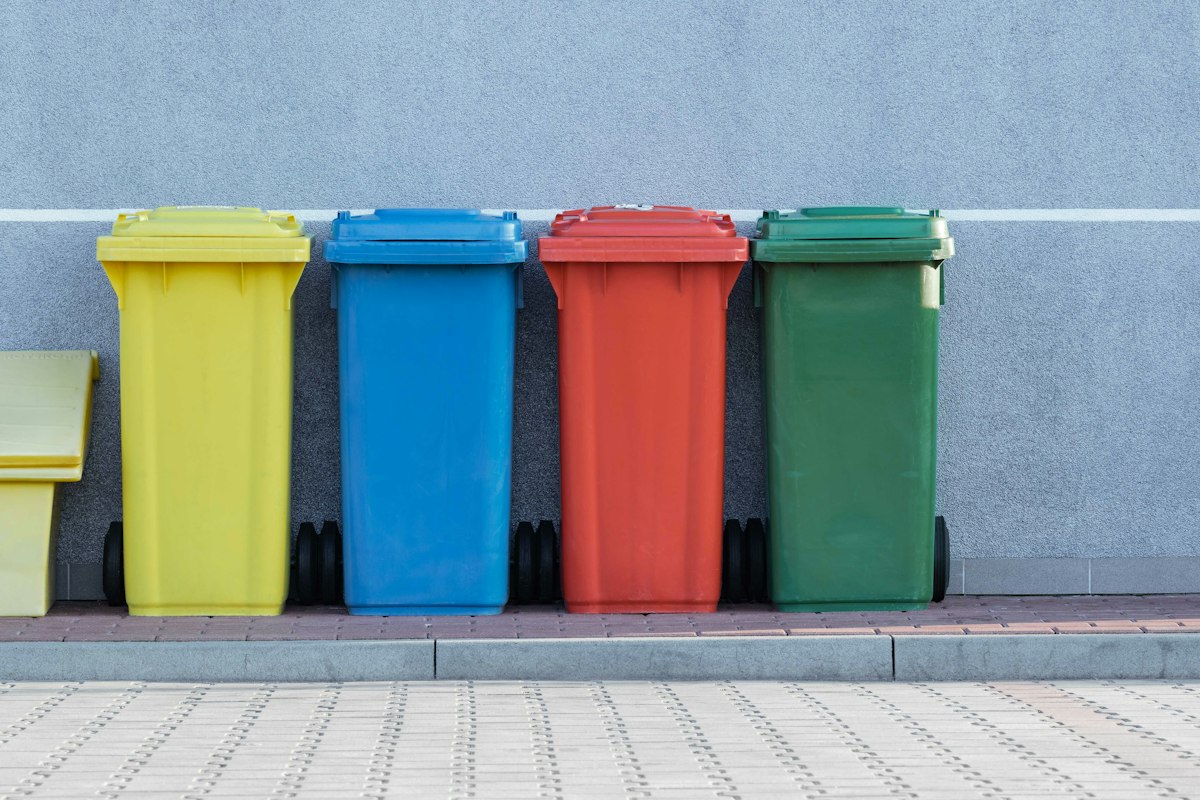
Eco-Friendly Vehicle Wraps? Myth or (Kind of) True?
Let's cut through the noise. "Eco-friendly wrap" sounds good on paper — but is it real? Or is it just another greenwashing buzzword slapped onto an industry built on PVC and solvent ink?
The honest answer: it's not a myth. But it's not fully true yet either.
Here's what's actually happening — and why it matters more than ever.
The Starting Point: Vinyl Wraps Aren't Innocent
We'll be upfront. Traditional vehicle wrap films are made primarily from PVC (polyvinyl chloride) — a plastic that takes centuries to break down, produces harmful compounds during production, and is notoriously difficult to recycle.
Add solvent-based inks, chemical adhesives, and liners that go straight to landfill, and the picture gets complicated fast.
So no — the vehicle wrap industry doesn't get a free green pass. But here's the thing: it's changing. Faster than most people realize.

The Materials Are Evolving: Enter Envision
One of the most meaningful shifts in the wrap world has been the rise of PVC-free and reduced-PVC films — and 3M's Envision Series is the most prominent example.
What Makes Envision Different?
- Non-PVC construction — made with a more environmentally responsible film base
- Free of plasticizers that traditionally off-gas harmful VOCs over time
- Longer lifespan — materials designed to last 7–10 years mean fewer replacements and less waste over time
- Energy-efficient production — manufactured with reduced carbon intensity compared to standard films
3M developed Envision in direct response to environmental scrutiny — and it shows. The film performs at the highest level while dramatically reducing the ecological footprint of the final product.
It's not a perfect solution. But it's a real one — and it's available right now.
The Lamination Problem (And the Progress)
Wraps are often laminated — a protective clear coating applied on top to shield against UV, abrasion, and weather. Traditional laminates compound the environmental problem: more plastic, more chemistry, more waste.
But this is where things are getting interesting:
- Solvent-free laminates are increasingly available from suppliers like Avery Dennison and ORAFOL
- Bio-based laminate components are entering the market from European manufacturers
- Some brands are now offering laminate-free films with built-in protection layers — eliminating one entire layer of material

The lamination conversation is still evolving — but the direction is clear. Less chemistry. Less material. Same or better performance.
HP Latex: The Printer That Changed the Game
This one is huge — and often overlooked.
How a wrap is printed matters just as much as what it's printed on. Traditional eco-solvent and UV printing processes use inks laden with volatile organic compounds (VOCs) — chemicals that evaporate into the air during and after printing, affecting both workers and the environment.
HP Latex technology changed that.
What HP Latex Actually Does:
- Uses water-based latex inks instead of solvent-based chemistry
- No harmful VOCs emitted during printing — no special ventilation required
- Scratch-resistant output without laminate on many substrates — reducing material use
- Prints are outdoor-durable without the chemical processes traditional inks require
- HP's printers run on renewable energy programs and have industry-leading energy efficiency certifications
- The ink cartridge system is designed for recycling and responsible disposal
HP has committed to sustainability targets across their entire product line — and their Latex division is one of the strongest examples of that commitment in action.
At Muza Wrap, we print on HP Latex. Not because it's trendy — because it's the right tool for the job, and it happens to be better for the planet.
The Industry Is Organizing: The Vinyl Institute & Its Partners
The challenges of vinyl recycling aren't being ignored at the industry level either.
The Vinyl Institute — the trade association representing North America's vinyl industry — has been actively working on sustainability programs, including:
- Research into vinyl film recycling infrastructure
- Partnerships with waste management companies to create take-back programs for used vinyl
- Funding studies on chemical recycling that can break PVC back down into reusable components
- Supporting the development of alternative film chemistries that perform like vinyl without the environmental baggage
Organizations like WRAP (Waste & Resources Action Programme) in Europe are pushing similar agendas, and manufacturers like Avery Dennison and Hexis have joined coalitions to accelerate recycling solutions.
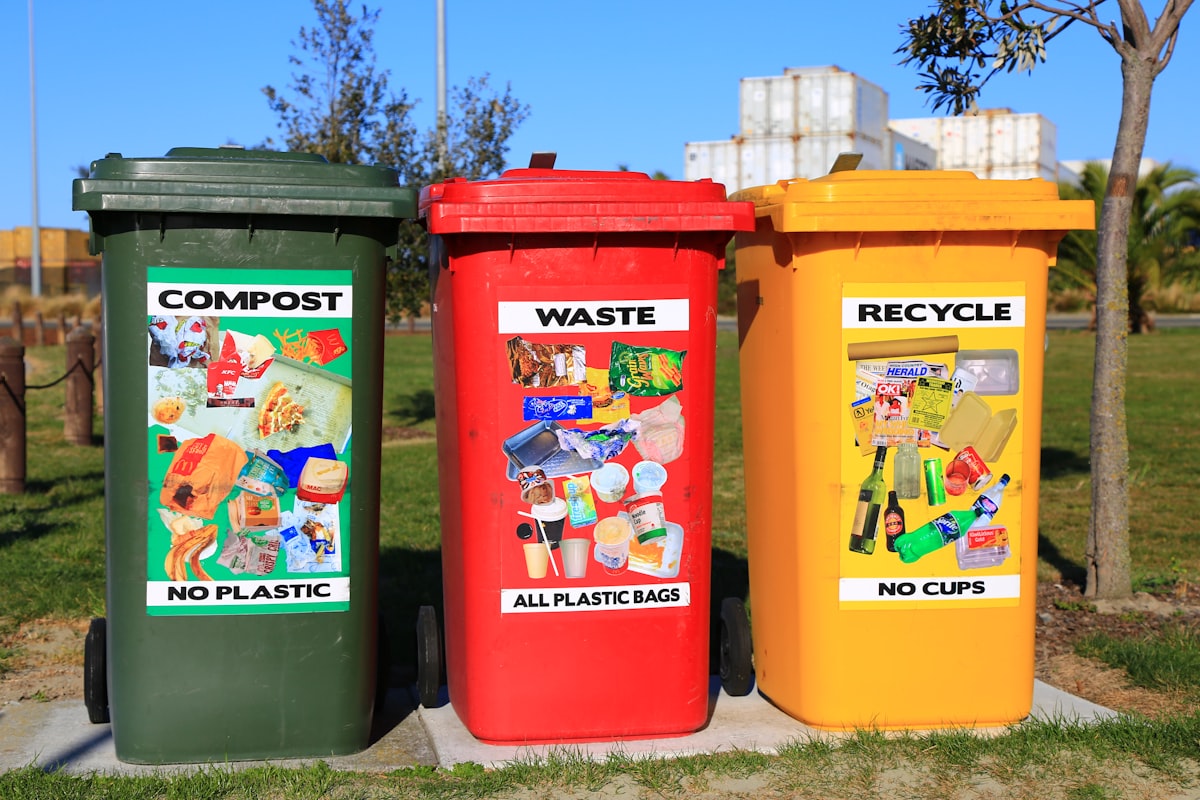
Is this enough? Not yet. But it's the beginning of a systemic shift — and these programs are growing every year.
Better Materials Coming to Market
Beyond film and ink, the entire material ecosystem is improving:
Colored PPF: Protection That Outlasts Everything
We've written about this separately — but colored Paint Protection Film (PPF) deserves mention here too. A colored PPF install that lasts 8–12 years produces far less waste than a vinyl wrap replaced every 4–5 years. Longevity is sustainability. Fewer replacements = fewer materials in landfill.
Bio-Based Adhesives
Some suppliers are now offering adhesive layers with bio-based components — reducing dependency on petroleum-derived chemistry in the bonding layer.
Thinner Films with Equal Performance
Advances in film engineering mean manufacturers are achieving the same protection and printability with less material per square meter — a direct reduction in resource use.
What Studios Like Us Can Do: Building a Cycle
Material innovation is only part of the answer. How wrap studios operate matters just as much.
This is exactly why we built our Conscious Wrap™ program.
The idea is simple: a wrap has a lifecycle. It gets designed, printed, installed, used, and eventually removed. At every stage of that cycle, there are choices — and better choices add up.
What a Responsible Wrap Cycle Looks Like:
Design: Optimize file layouts to minimize material waste during production. Print smart, cut smart.
Print: Use HP Latex — water-based inks, no VOC emissions, reduced chemistry.
Materials: Choose films like 3M Envision, Avery Dennison eco-series, or long-life PPF that reduce replacement frequency.
Install: Proper installation means the wrap lasts longer and removes cleaner — reducing damage to the vehicle's original paint and making future material removal easier.
Removal: Planned removal instead of emergency removal. Wrap comes off cleanly, paint is preserved, and material waste is managed responsibly.
Recycle: Partner with vinyl collection programs and responsible disposal channels where available.

None of this is perfect. But it's a real, operational commitment — not a marketing slogan.
So: Myth or True?
Here's our honest take:
| Claim | Reality | |-------|---------| | "Vinyl wraps are eco-friendly" | ❌ Not inherently — PVC is still PVC | | "The industry is improving" | ✅ Materially and meaningfully | | "HP Latex is cleaner printing" | ✅ Significantly, yes | | "You can wrap more responsibly" | ✅ Absolutely — choices matter | | "Vinyl recycling exists" | ⚠️ Growing, but not yet mainstream | | "Longer-lasting = more sustainable" | ✅ Without question |
The vehicle wrap industry isn't green. But it's getting there — driven by material science, smarter printing technology, industry coalitions, and studios that choose to operate differently.
The future of eco-conscious wrapping isn't about waiting for a perfect solution. It's about making better choices now, at every step.
Want to Learn More About How We Do It?
We built our entire Conscious Wrap™ program around this philosophy — from the films we choose to how we handle removal and disposal.
If you care about your vehicle and the planet, let's talk.